
Build suction into the system.
The first versions explored how to create useful negative pressure in a small, purpose-built device connected at the outdoor drain termination.
The story behind Unclog
Unclog began with a problem hiding in plain sight: the A/C drain line that quietly clogs, shuts systems down, and sends water where it never belonged.
Built by Anthony Tranchida in Fort Lauderdale, FloridaIt started with the usual routine
Every air conditioner pulls moisture from the air. That water leaves through a narrow condensate drain line. In hot, humid climates, the line stays wet enough for dust and biological buildup to collect until the water slows, backs up, trips a float switch, or spills into the home.
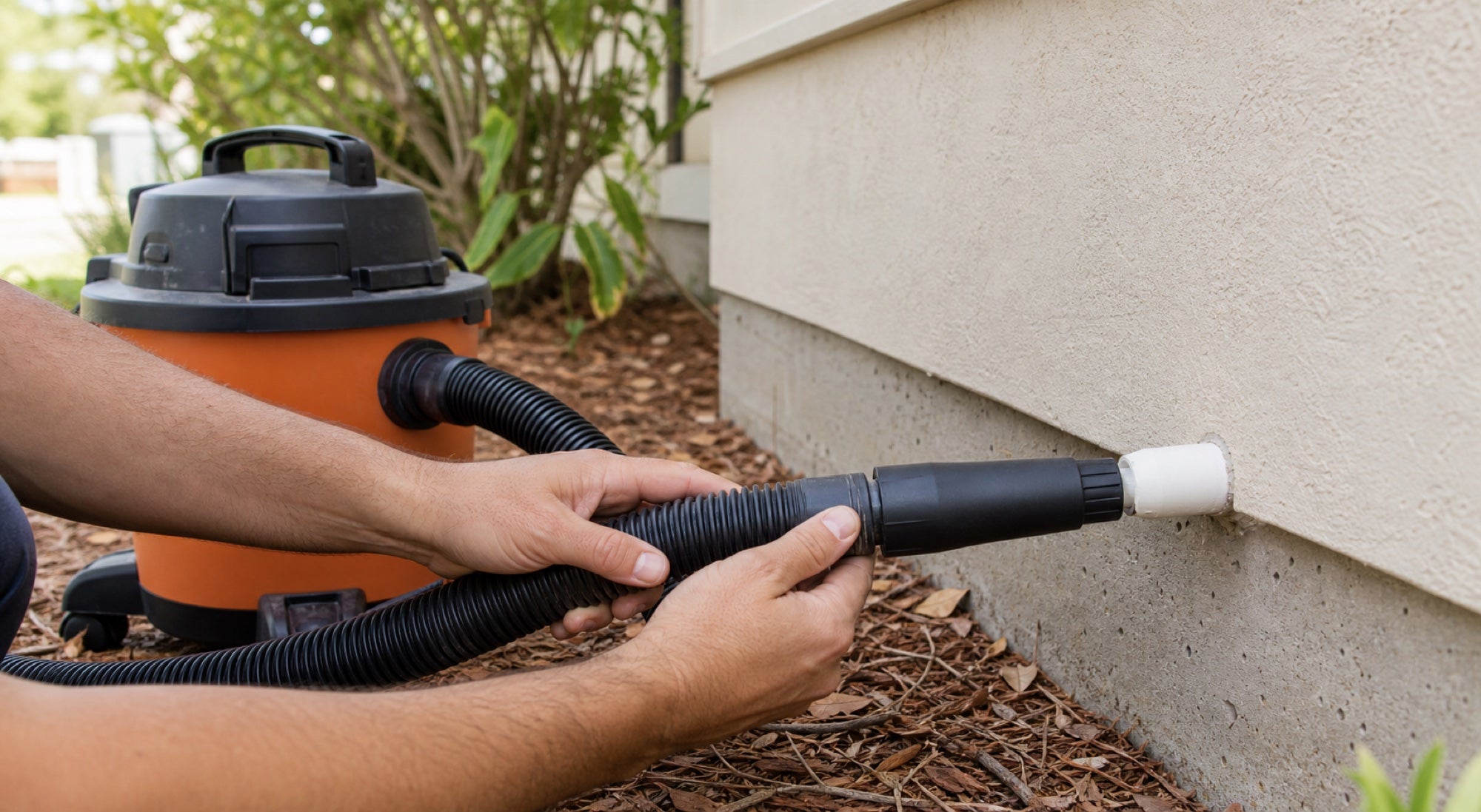
The response was almost always reactive: drag out a wet/dry vacuum, pour something into the line, schedule another service call, or discover the problem only after the A/C stopped—or the ceiling, wall, or floor got wet.
The problem wasn’t that a drain line could be cleaned. The problem was that someone had to remember to do it before the clog happened.
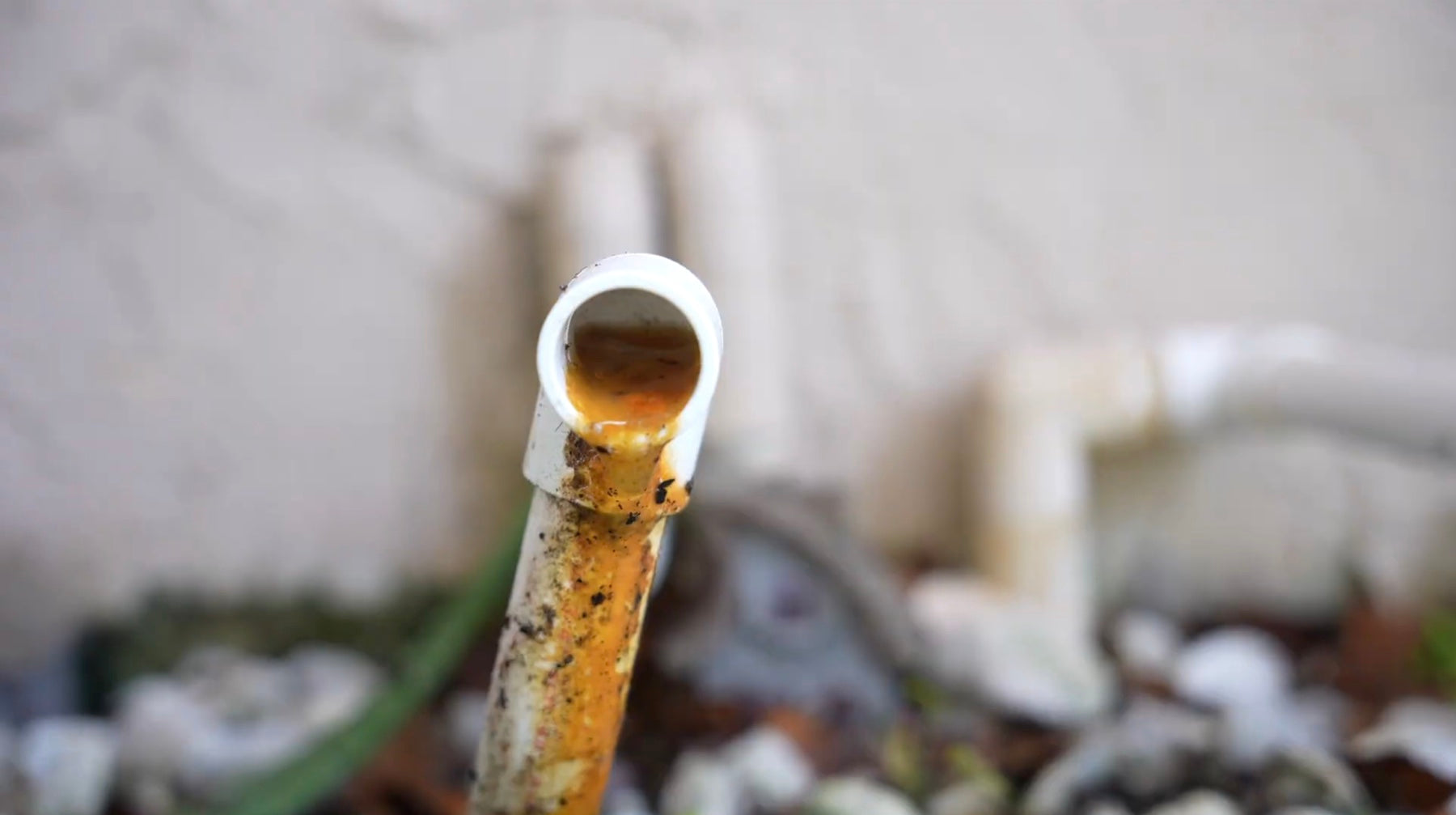
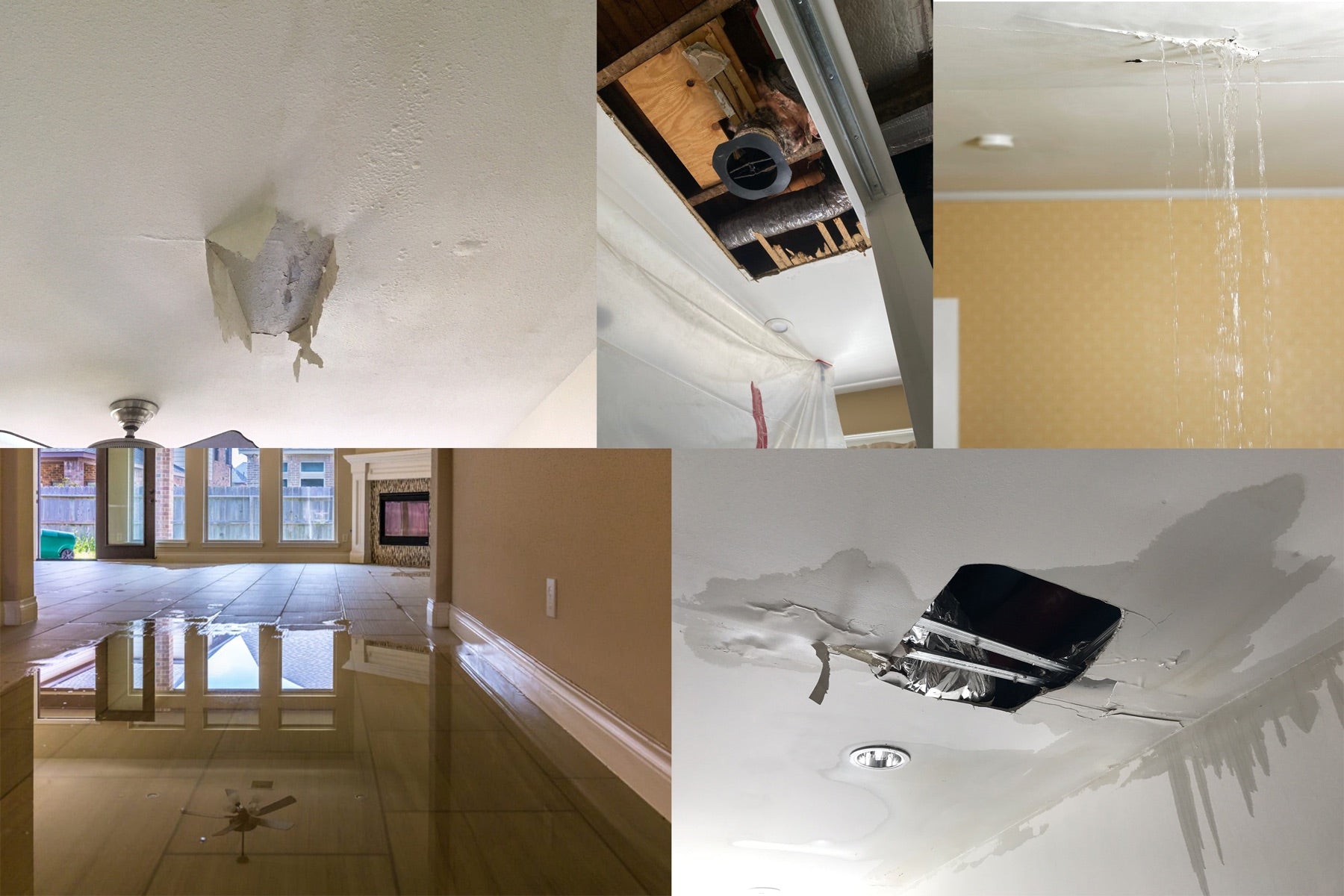
The problem we set out to solve
It can mean an A/C that stops on the hottest day of the year, an emergency call, a soaked ceiling, ruined flooring, mold-friendly moisture, and a maintenance chore that keeps coming back.
From idea to working machine
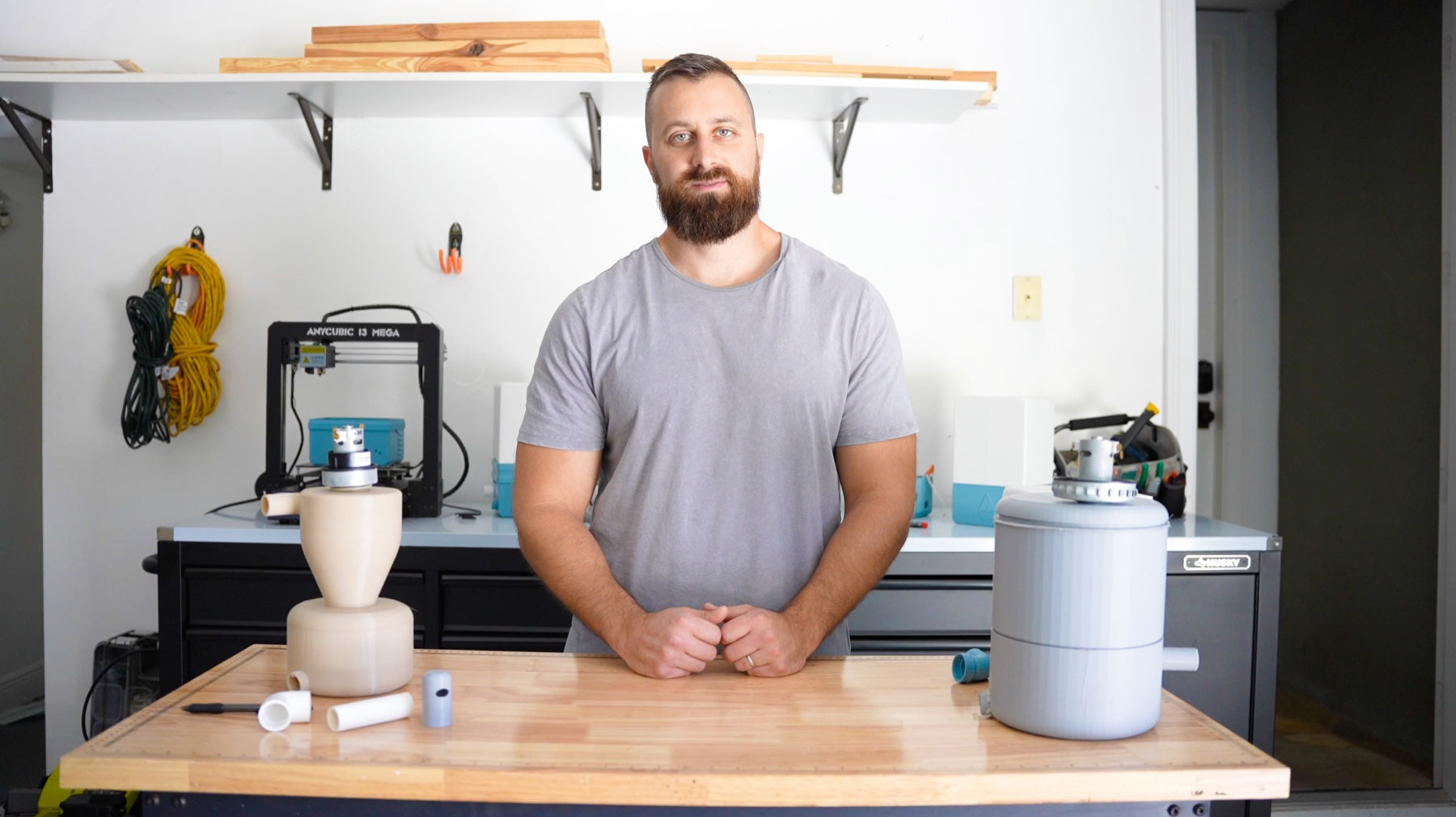
Anthony started building physical prototypes to answer one question: could the familiar suction-cleaning approach be turned into a compact, automatic system that lived at the drain line and worked on a schedule?
Behind every physical prototype was another round of CAD: testing the airflow path, fitting the motor and electronics, checking clearances, sizing the enclosure, and finding a way to make every part work together in a compact outdoor system.


The first versions explored how to create useful negative pressure in a small, purpose-built device connected at the outdoor drain termination.
A one-time pull was not enough. The design had to run automatically, on a schedule, so developing buildup could be moved before a full restriction formed.
The housing, airflow path, connections, controls, serviceability, and installation all had to become simpler, tougher, and more dependable with every round.
The breakthrough
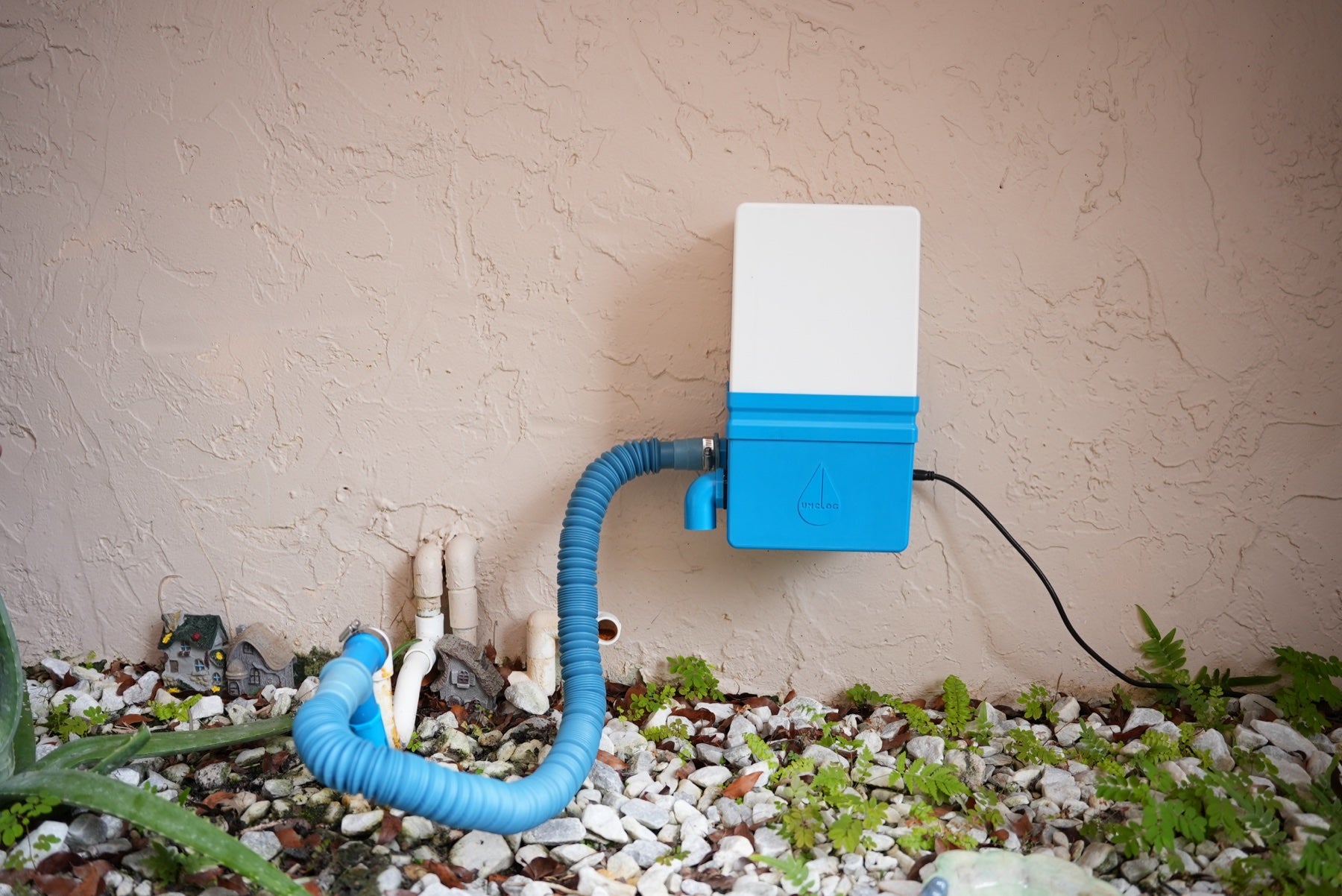
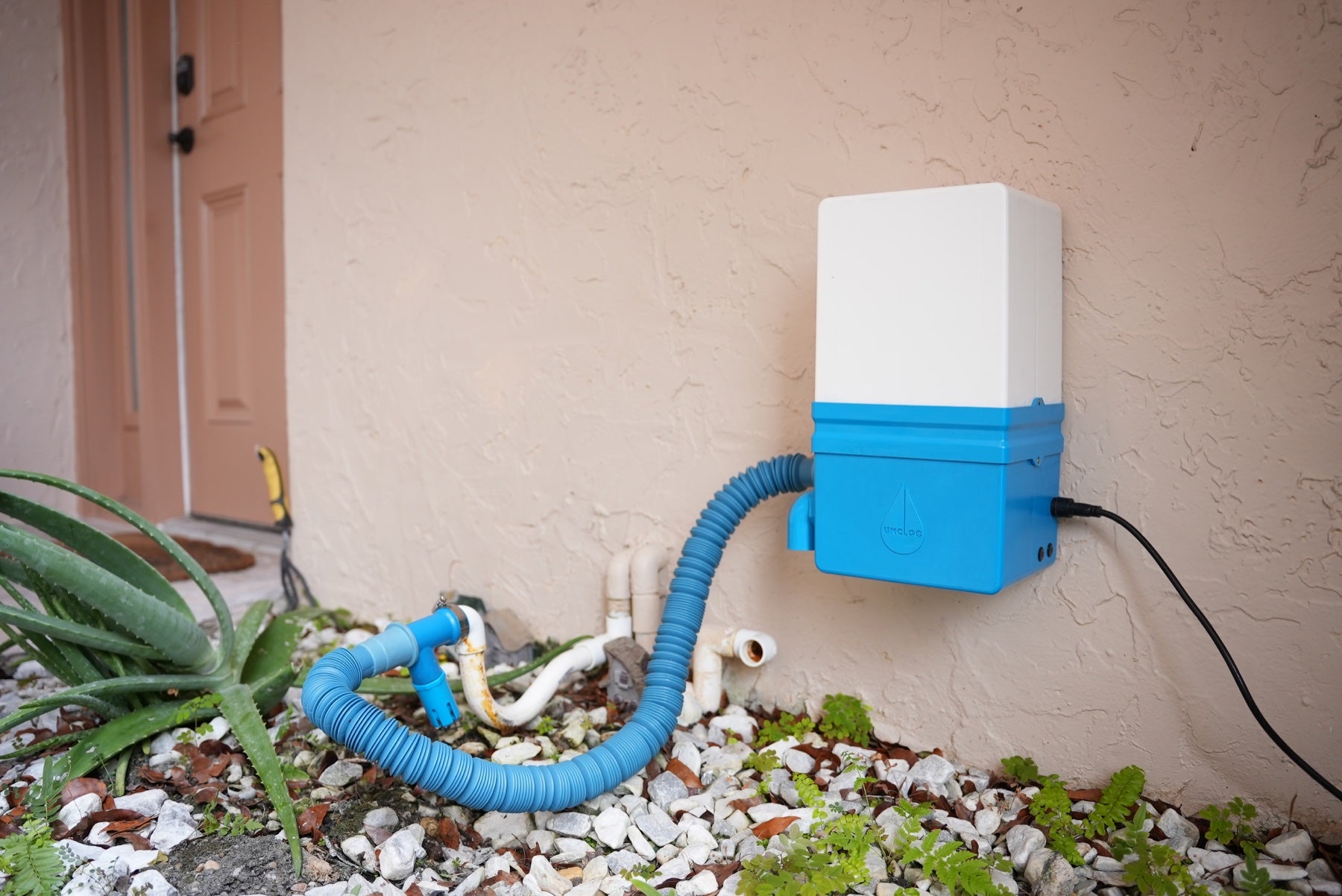
The final idea was deliberately simple: connect Unclog to a compatible residential A/C condensate drain line, choose a schedule, and let targeted suction cycles help move developing buildup before it becomes a complete clog.
That meant no dragging out a wet/dry vacuum for routine care. No recurring chemical routine. No calendar reminder that is easy to ignore. Just a product designed around the way people actually live.
Scheduled cycles make prevention repeatable.
Move buildup toward the outdoor end of the line.
A straightforward installation and a simple routine.
Then we put the idea in front of people
In July 2025, we launched Unclog on Kickstarter to see whether other homeowners understood the problem and believed in the solution. The campaign reached its funding goal in just three days.
By the end, 195 backers had pledged $87,311—more than eight times the original goal. It was proof that people were tired of the same clogged-line routine, too.
From prototype to protection
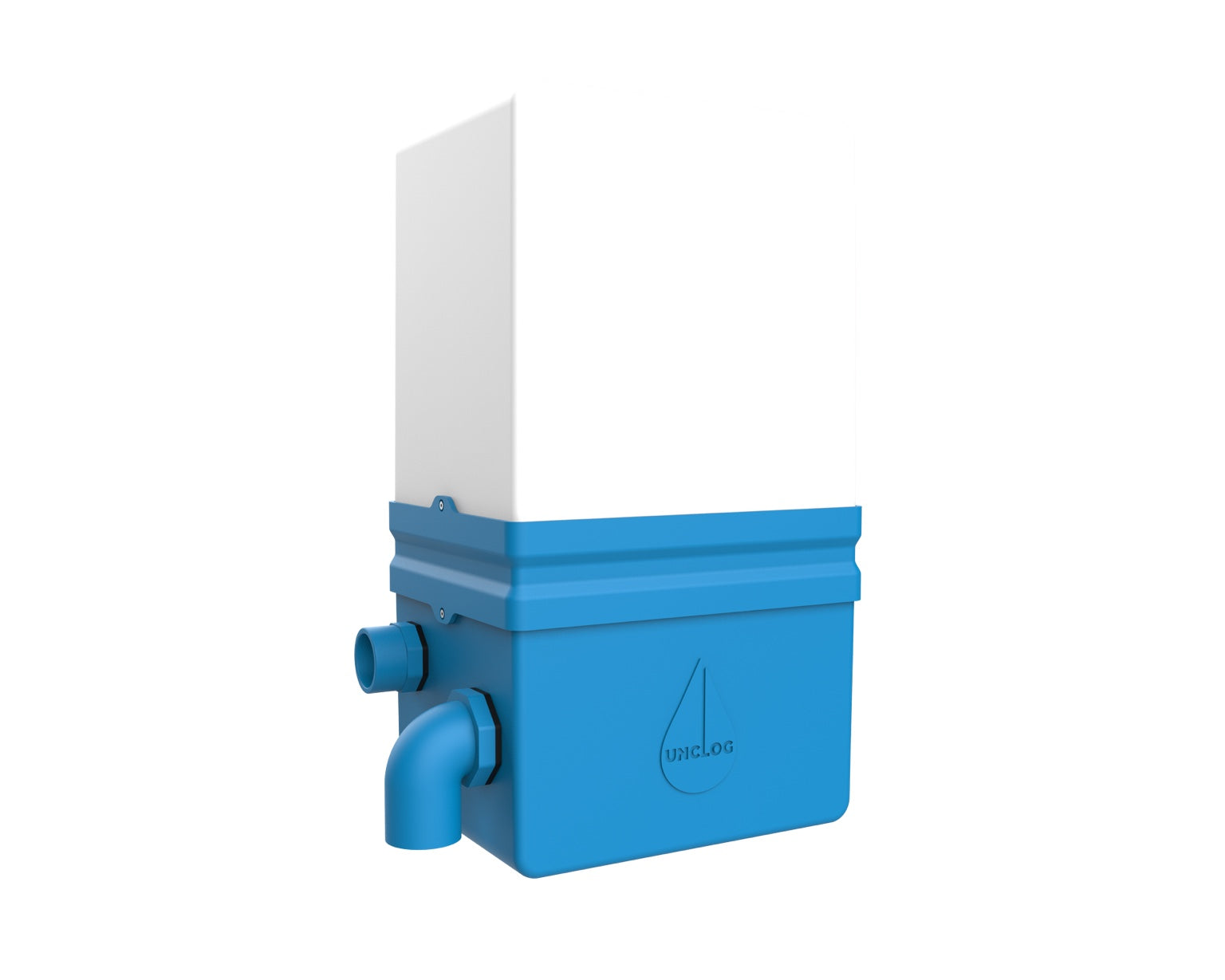
The rough workshop prototypes became a finished system designed to help homeowners keep compatible A/C drain lines flowing with less mess, less remembering, and fewer surprises.
The next chapter
See how Unclog turns recurring drain-line maintenance into an automatic routine.
Meet Unclog