
Does your HVAC maintenance plan include A/C drain cleaning? The useful answer is in the written scope: what happens at a scheduled visit, what happens if the drain clogs between visits, and who owns routine care. Unclog can add scheduled suction to a compatible drain’s maintenance routine, while your contractor continues the inspections and equipment service the plan specifies.
UNCLOG · BETWEEN-VISIT DRAIN CARE
Give the days between service visits a routine.
Unclog applies suction at a compatible outdoor condensate termination on a schedule you choose. That physical cleaning routine helps move developing buildup through an already clear drain without recurring chemical dosing. It gives the plan a repeatable maintenance action between professional visits.
First correct active blockages, leaks and equipment or piping faults, verify normal flow, and confirm the full route and installation requirements. Unclog does not replace inspection of the pan, pump, safety controls or HVAC equipment.
Explore scheduled suctionCheck compatibility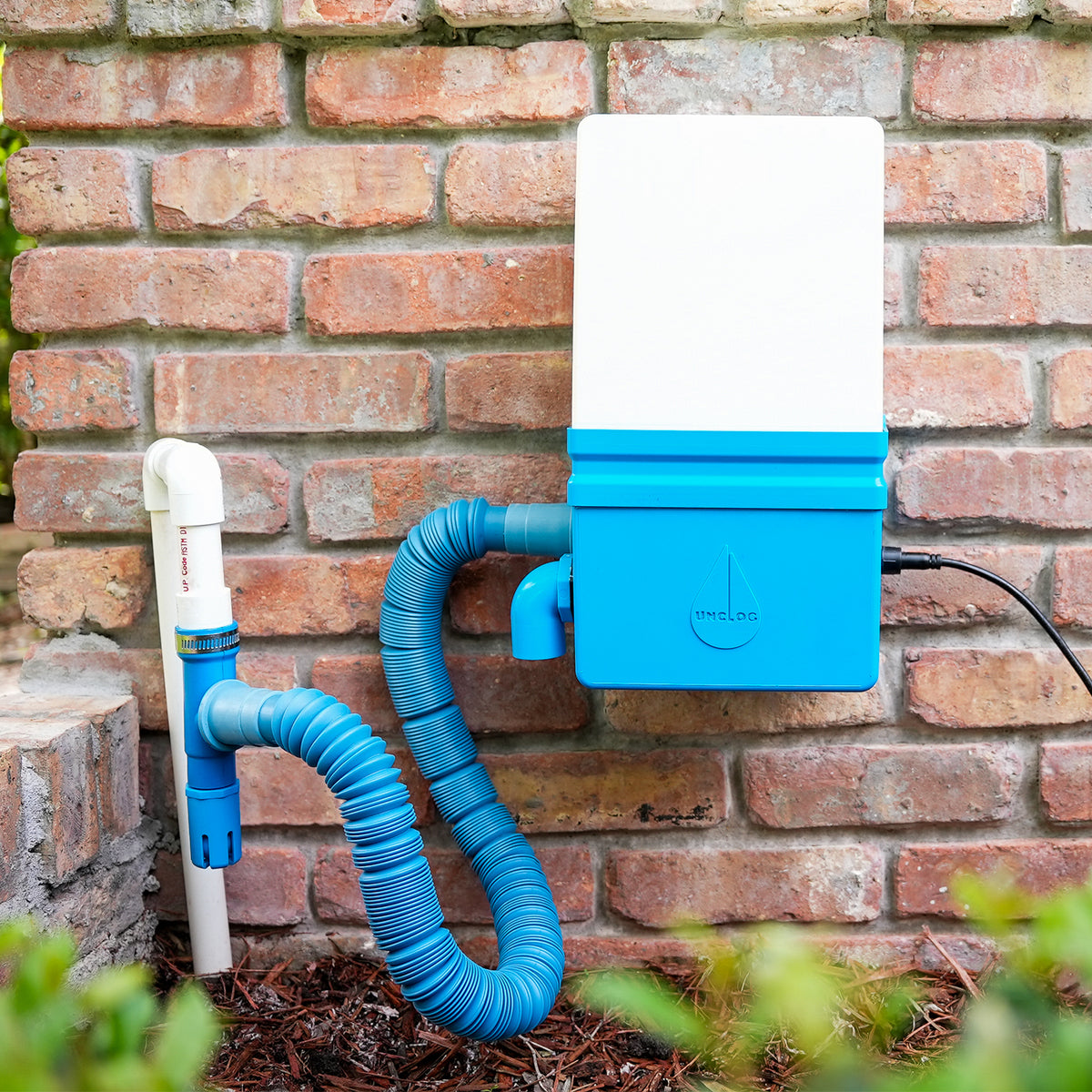
What “drain maintenance included” needs to explain
A recurring service plan is a promise about specified work over time. Before relying on it, connect that promise to each air handler and its actual drain route. A main drain, pump discharge, secondary warning outlet and shared building line should not be treated as interchangeable.
American Standard’s service-contract guide lists drain inspection and flushing when needed among tasks a technician may perform. It also describes scheduled tune-ups and possible additional benefits. Those examples explain what a plan can contain; they do not establish the coverage in your provider’s agreement.
Separate three decisions: the work included during scheduled appointments, the response to an unscheduled problem, and the owner’s routine between appointments. A plan can be clear about one and silent about another. Ask the provider to resolve the silence in writing.

Six questions to ask before choosing or renewing a plan
| Plan wording | Clarify with the provider |
|---|---|
| Drain inspection | Which accessible parts and outlets are checked, and how are findings recorded? |
| Drain cleaning | Is this routine work at each visit, condition-based work, or separately charged blockage removal? |
| Systems covered | Which air handlers, pumps and shared sections are included? What access is required? |
| Priority service | What does priority change, and which dispatch, diagnostic or after-hours charges still apply? |
| Repair discount | Which work qualifies? Are parts, labor and drain-piping corrections handled separately? |
| Repeat drain problem | How is a repeat clog assessed, what return-visit terms apply, and who approves additional diagnosis? |
These are questions to resolve, not a claim that any particular provider excludes the work. Keep the actual plan document and dated clarification together. Do not record an unanswered item as “included.”
Example: a clog between scheduled appointments
Imagine a plan listing two tune-ups and priority appointments. A drain backs up several weeks after a visit. The number of tune-ups does not tell you whether the unscheduled visit, diagnosis, blockage removal or piping repair is covered. Record the symptoms and call the provider through the agreed process. Let the findings determine the work, rather than assuming the earlier visit proves what failed.
If a separate job is needed, use the drain-cleaning quote worksheet to compare that specific scope. If the proposals differ between cleaning and new piping, the clean, repair or replace guide helps organize the questions.
Assign the work between HVAC visits
A booked appointment is not continuous observation. Agree who notices and reports water, who maintains any approved routine, and who responds to a warning. Homeowner observation should stay within safe, accessible areas; it does not require opening equipment or entering an unsafe attic.
For Unclog, identify the compatible outdoor termination, record the chosen schedule and keep setup information with the system record. Continue the inspections your contractor recommends. Use the installation resources to check the actual mounting and setup requirements rather than improvising a connection.
Do not change a maintenance interval solely because a membership includes a particular number of visits. Equipment instructions, documented conditions and the provider’s assessment should guide the routine. Use the maintenance log to connect observations and service outcomes over time.
Active leaks, a tripped safety switch or uncertain drainage need diagnosis and correction. Unclog does not repair frozen coils, failed pumps, damaged pans or incorrect piping, and it is not an emergency substitute for clearing an already blocked line.
Review the service record before the next renewal
Compare the plan’s promised tasks with the records from completed visits. Look for the system identity, findings, work performed, flow verification and unresolved recommendations. Missing detail is a reason to ask for clarification, not automatic proof that the contractor skipped the work.
A repeat-clog pattern is a reason to revisit diagnosis and the maintenance plan. Record where the restriction was found and whether the cause was corrected. More frequent routine cleaning alone may not address a sag, pump problem or another fault. Avoid promising that a plan or device will eliminate every leak or service call.
When ownership or service providers change, pass along the route information, current instructions, agreed routine and unresolved issues. For several units, connect the individual records to the property-manager drain inventory.
Your recurring drain-care agreement notes
Copy these fields into your records and complete them with the provider. This is an editorial discussion aid, not replacement contract language or an assessment of legal coverage.
Provider, plan name, document date and covered systems:
Scheduled visit frequency and specific drain tasks:
Unscheduled blockage response, charges and approval process:
Pump, shared-line, access or piping exclusions to clarify:
Between-visit observation owner and contact route:
Optional Unclog compatibility, setup and chosen schedule:
Last verified normal flow, open issues and review date:
Make automated care part of a documented routine
Once active faults are corrected and the drain flows normally, review whether scheduled suction fits the verified route. Unclog adds physical drain maintenance without recurring chemical cartridges. Keep professional inspections, safety controls and the response plan in place.
See Unclog’s maintenance featuresReview the compatibility guideHVAC maintenance plan and drain-cleaning questions
Does an HVAC maintenance plan include drain cleaning?
It may, but the written plan must identify the work. Inspection, routine flushing, active blockage removal and pipe repairs can be different services. Ask what is included at a scheduled visit and what happens between visits.
Does priority service mean a free emergency drain visit?
Do not assume so. Ask the provider to explain availability, dispatch or diagnostic charges, after-hours charges and repair coverage separately.
Can Unclog replace my HVAC maintenance plan?
No. Unclog provides scheduled suction-based maintenance for a compatible outdoor condensate drain termination after faults are corrected and normal flow is verified. It does not service the rest of the HVAC equipment or replace professional diagnosis.
Who should choose the drain-maintenance interval?
Use the equipment instructions, documented conditions and the qualified service provider’s recommendations. Record the chosen schedule and who reviews it; do not infer an interval from the number of visits included in a membership.
Published September 24, 2026. Manufacturer context: American Standard, What Is an HVAC Service Contract?, reviewed September 23. The questions, worksheet and workflow are original Unclog editorial aids. Your provider’s written terms determine its services; no universal plan coverage, savings or performance result is claimed.