
Identify the route
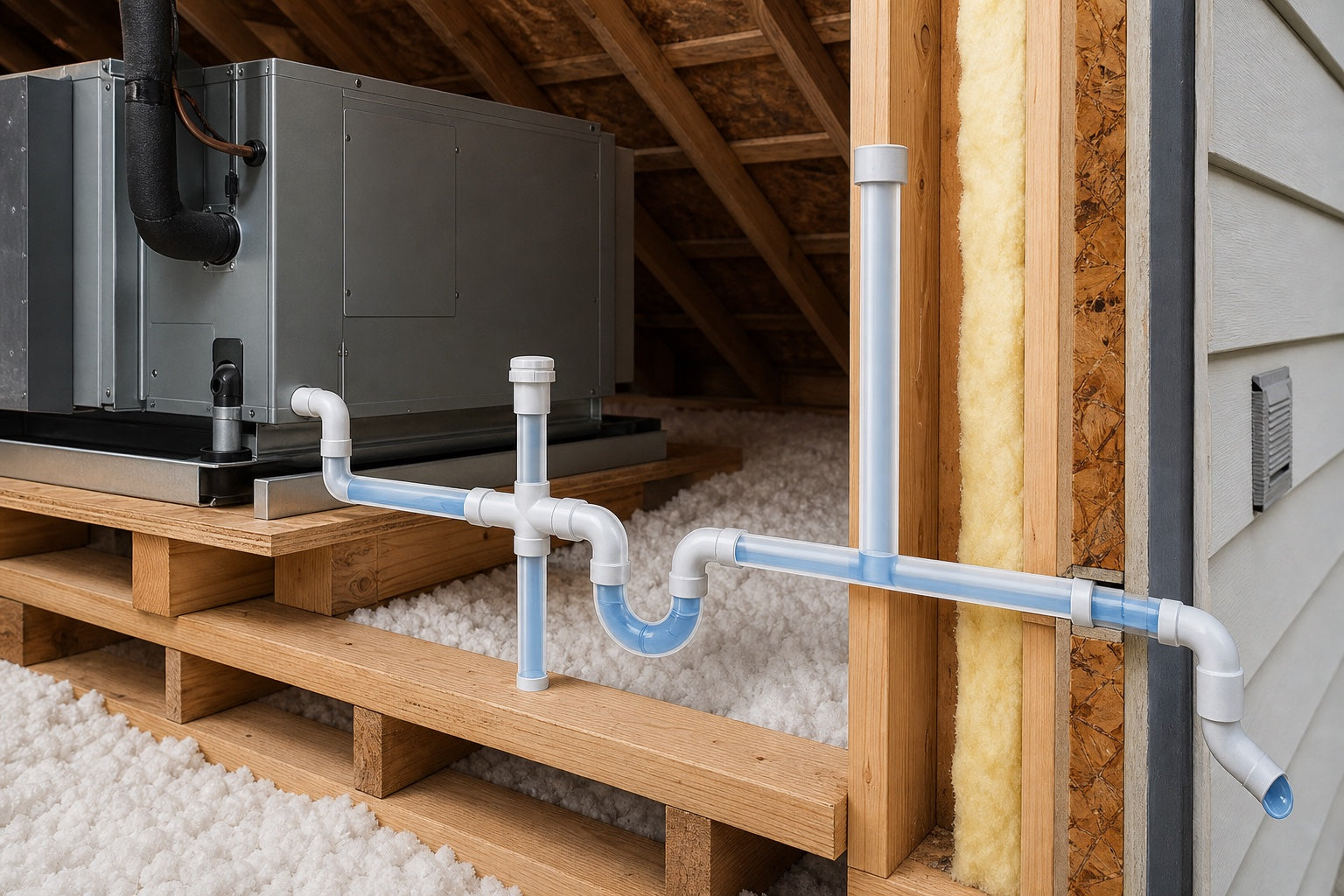
Find the indoor pan connection, service access, trap or pump, and intended discharge point.
Find the indoor pan connection, service access, trap or pump, and intended discharge point.
Use physical removal for an active restriction. Use maintenance only after normal flow is confirmed.
Test the complete path with controlled clean water and check every visible connection for leaks.
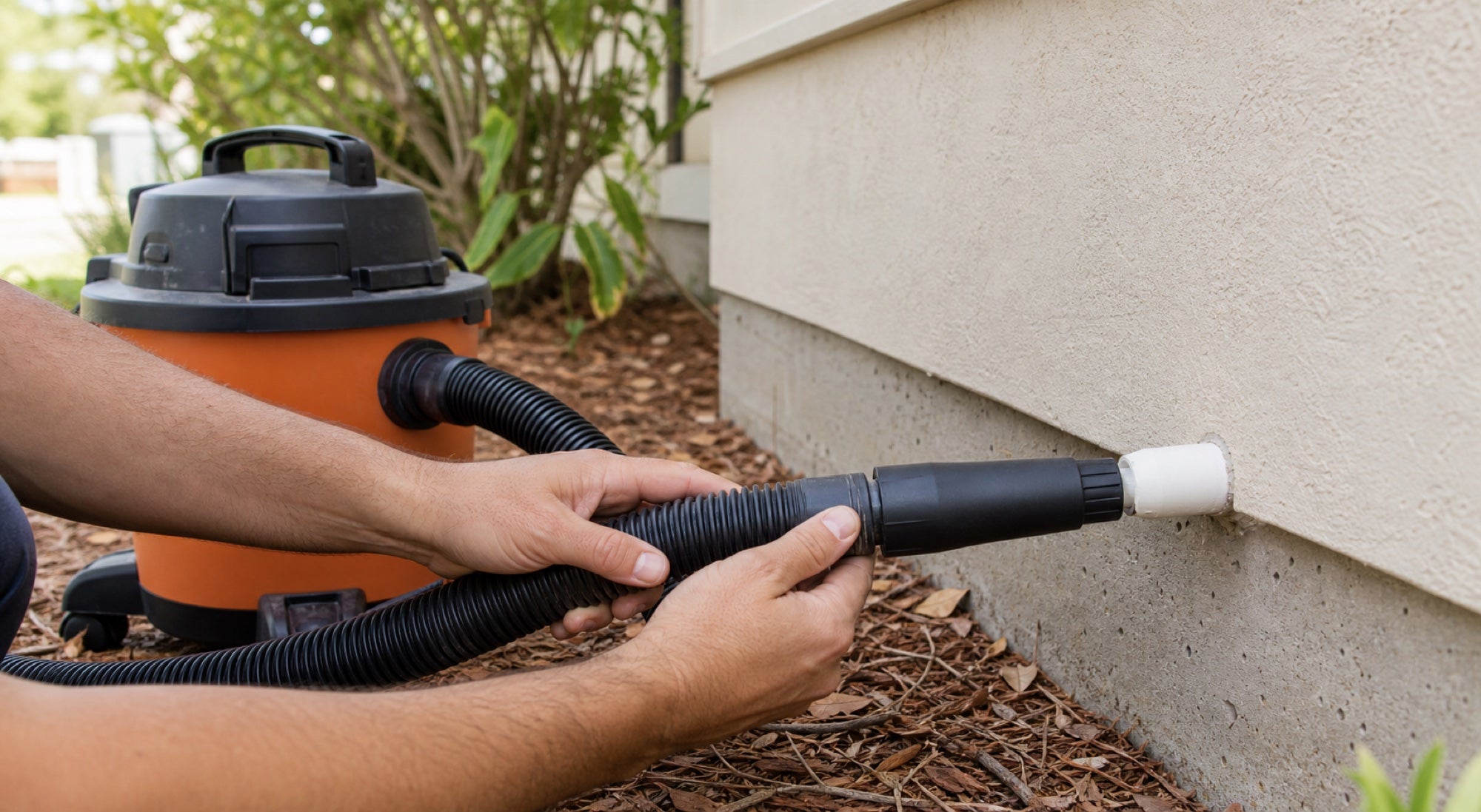
Homeowners can often inspect an accessible drain and use a wet/dry vacuum at a positively identified outdoor termination. The safe boundary matters just as much as the steps.
Stop if water is touching electrical equipment, the unit is unsafe to access, the pipe cannot be traced, or the first controlled attempt does not restore verified flow.
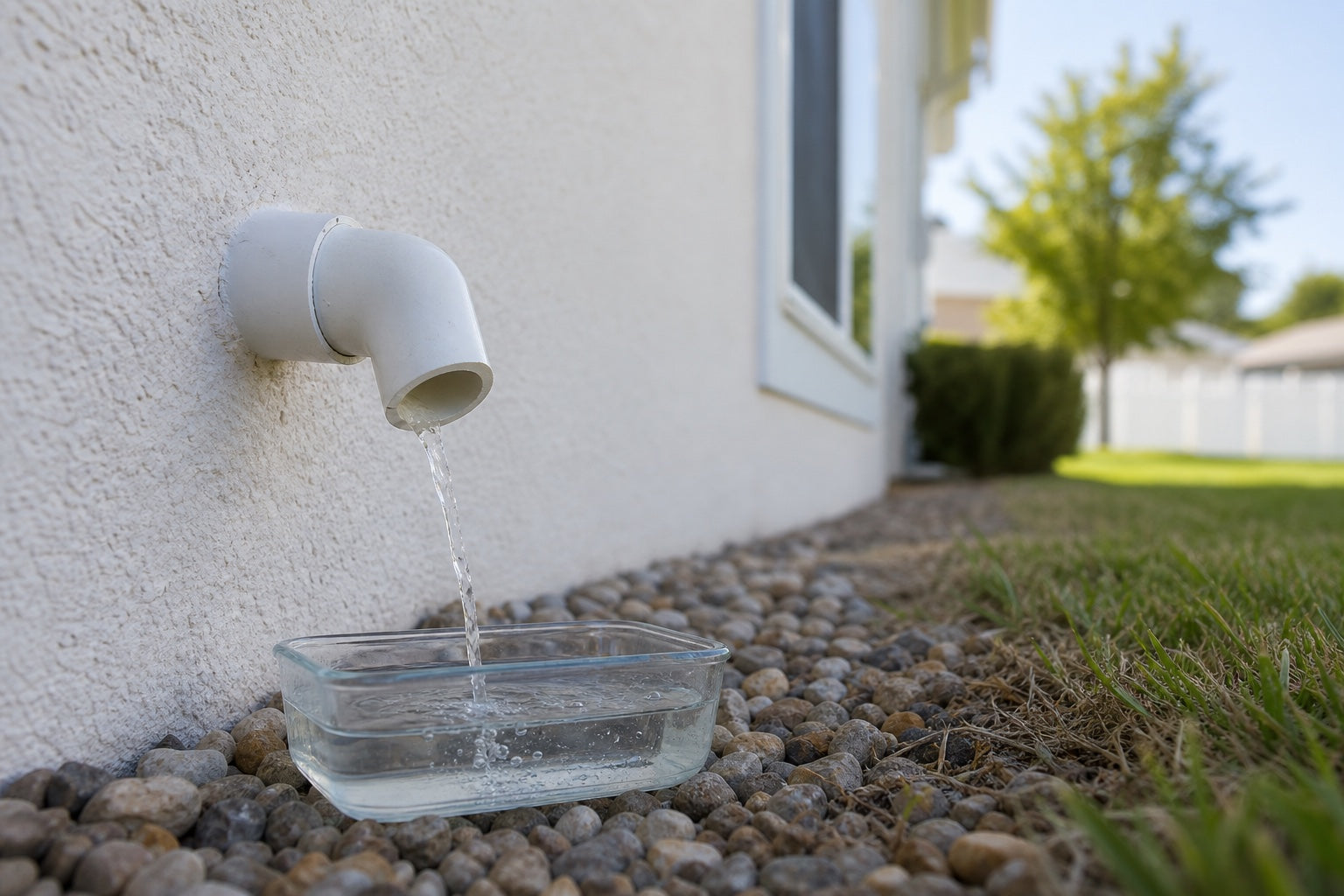
Clearing a backup removes the immediate restriction. Prevention begins after the line drains normally. Do not pour more liquid into a fully blocked line, mix chemicals, use ordinary plumbing drain opener, or defeat a float switch.
Use the guides below to choose a method, understand the water path, and recognize problems that require professional diagnosis.
Use the path that matches the number of systems you manage and the type of work you do.
Trace the correct outlet, distinguish primary from secondary drainage, and learn what normal condensate flow looks like.
Open the outdoor drain guide →See where vacuuming, water, brushes, tablets, liquids, professional service, and scheduled prevention fit.
Open the cleaning-method comparison →Use the visual diagram to understand the coil, pan, outlet, trap, vent, float switch, pump, primary line, and secondary safeguards.
Open the parts and diagram guide →See how gravity drains, condensate pumps, secondary outlets, and shared drain routes change the safest next step.
Open the visual drain-system guide →Review drain size, outlet layout, mounting, power, Wi-Fi, pumps, shared lines, and safe installation limits.
Open the compatibility checklist →Start with the closest match, then use the complete guide when you need the whole system explained.
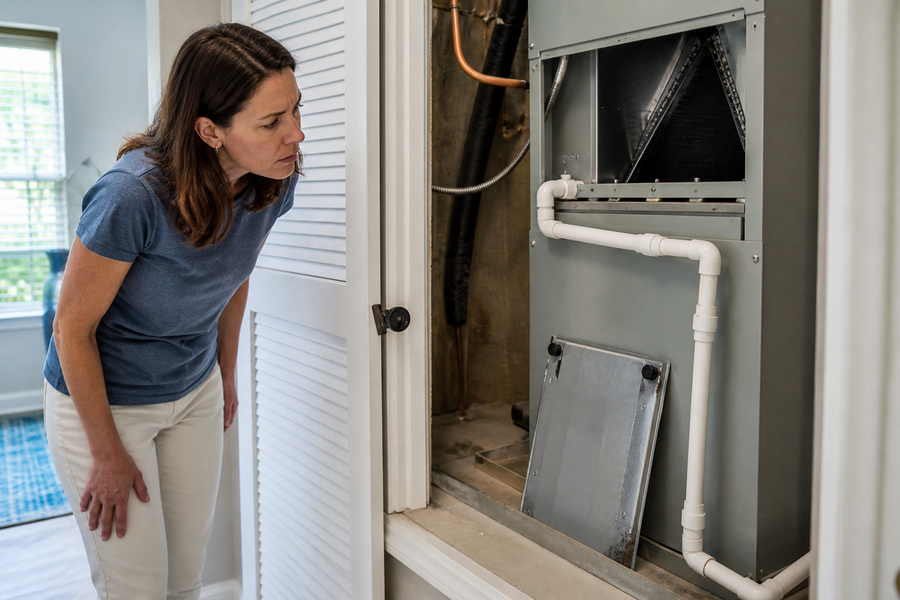
Quick answer A musty smell when the A/C runs usually points to moisture lingering somewhere it should not. Common sources include a wet evaporator...
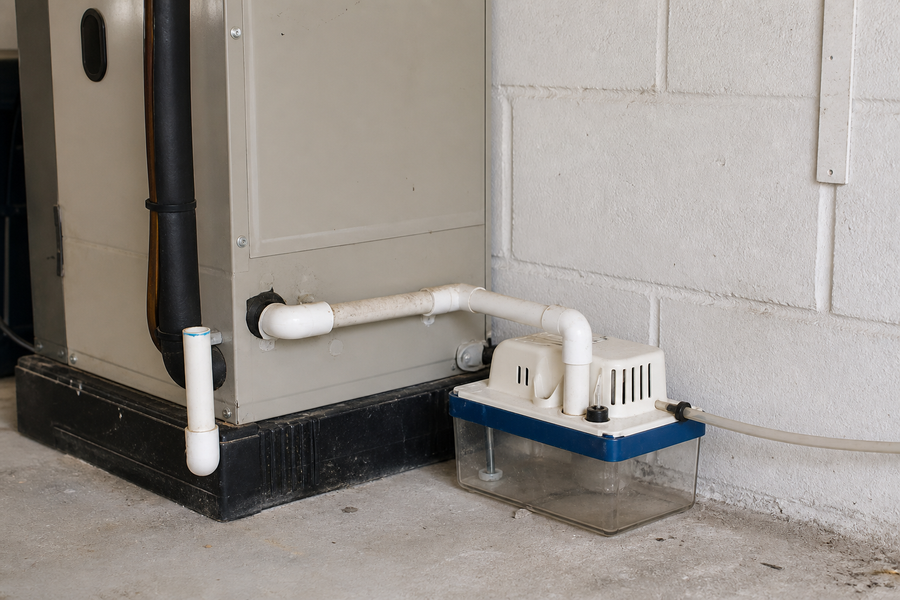
A/C condensate pump full, humming, overflowing, or silent? Learn what the symptoms mean, which checks are safe, when to stop, and how to prevent...
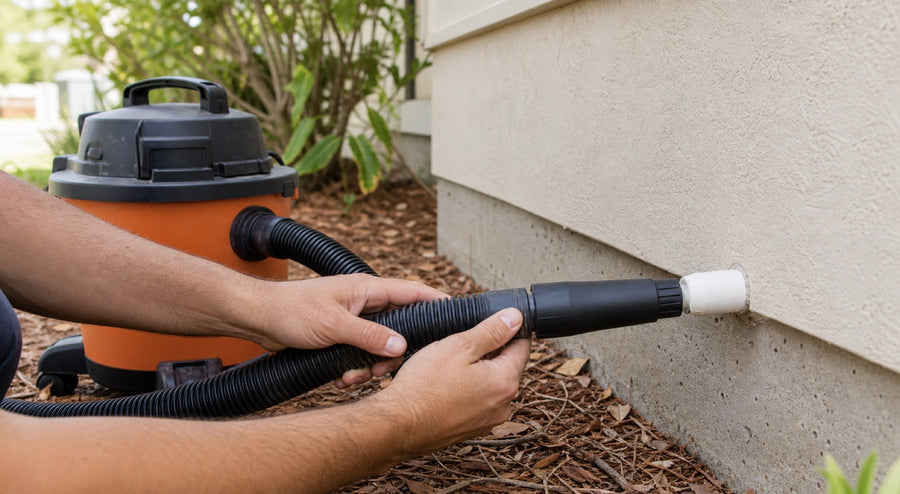
Learn how to clean an A/C condensate drain line safely with a wet/dry vacuum, when flushing makes sense, how to confirm full flow, and...
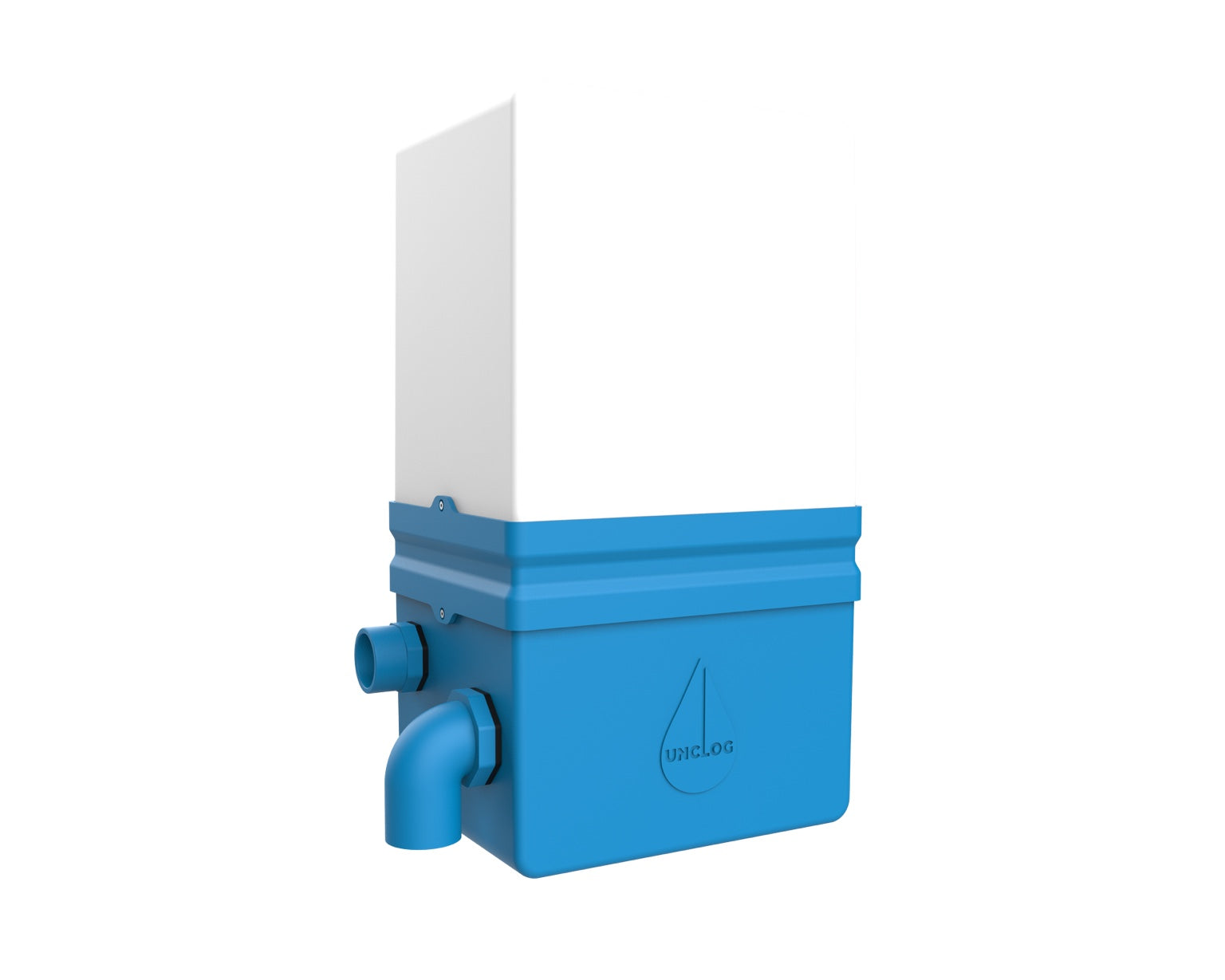
Unclog is designed for compatible residential systems that are already draining normally. Scheduled suction cycles help move developing buildup before it becomes another complete restriction.