
Before cooling season
Inspect pans, switches, the visible drain route, the outdoor outlet, and any condensate pump.
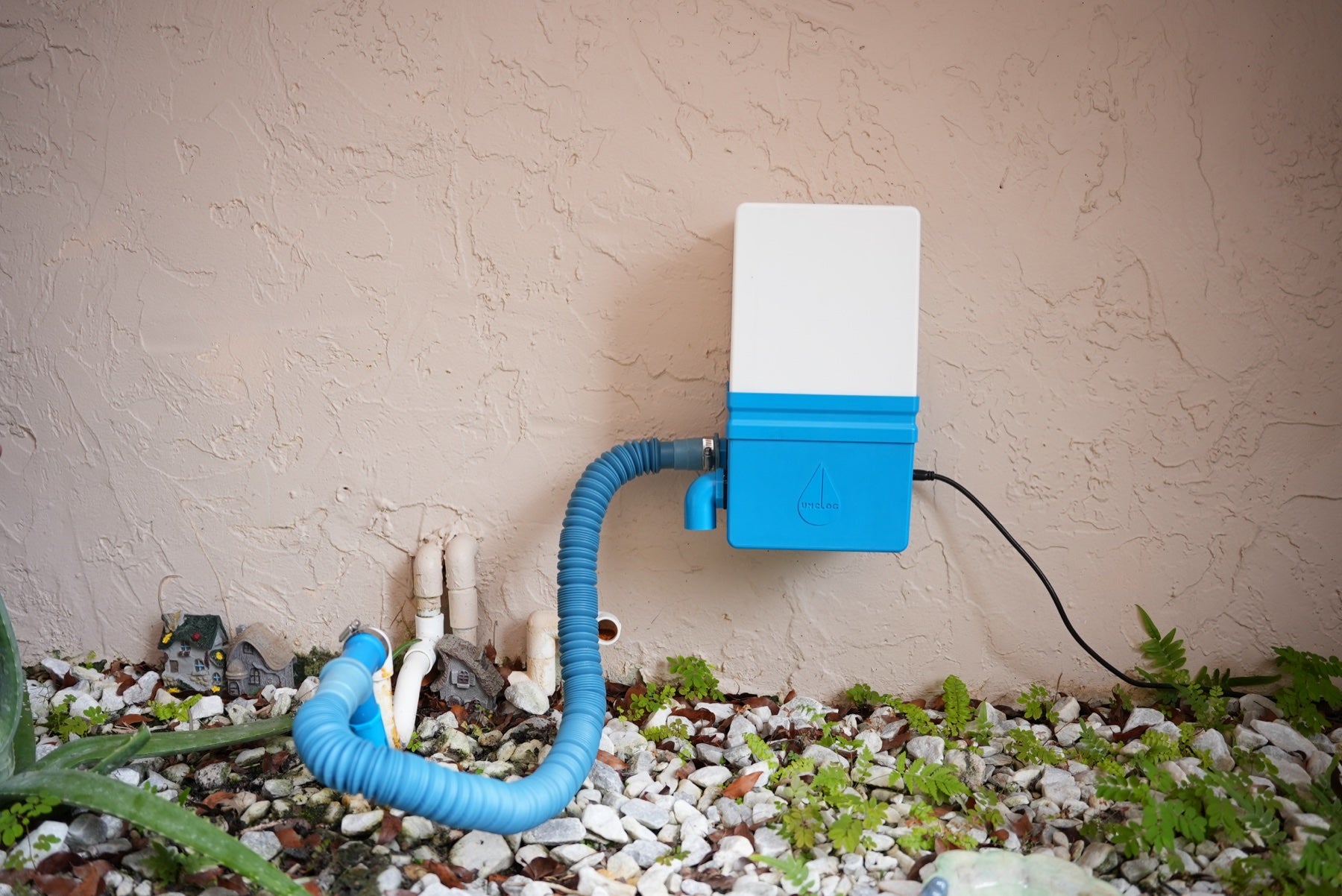
Inspect pans, switches, the visible drain route, the outdoor outlet, and any condensate pump.
Hot, humid weather can produce substantial condensate. Check systems with a history of clogs more often.
Ask the technician to verify drainage, not simply note that the pipe exists.
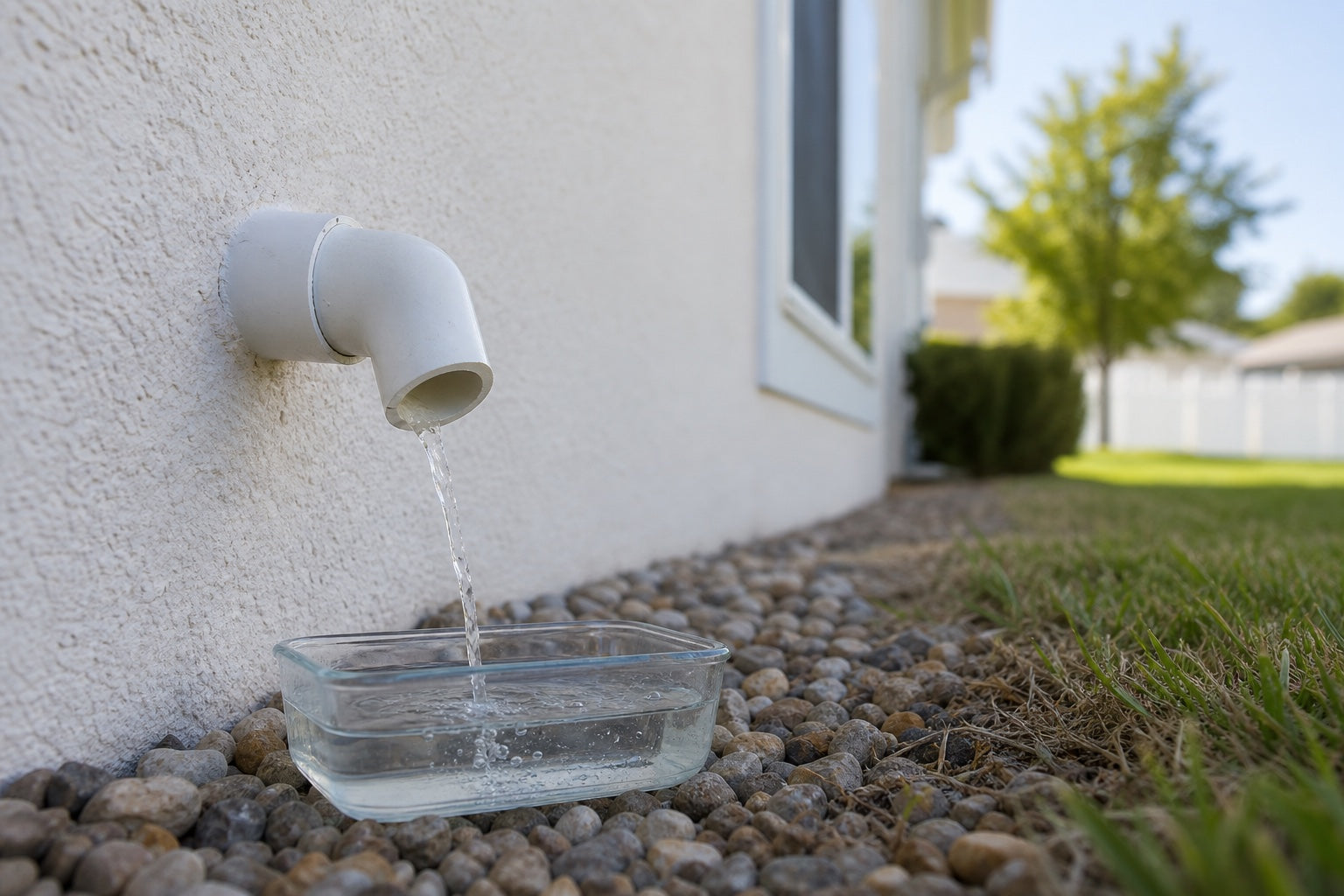
There is no single cleaning interval that fits every system. Climate, runtime, airborne dust, drain length, pipe pitch, equipment location, and past clogs all affect the maintenance need.
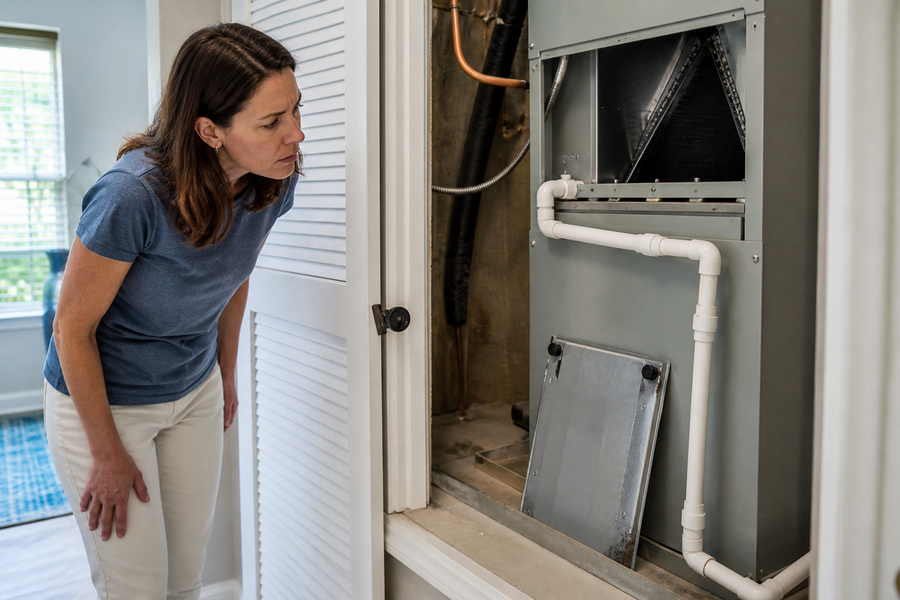
At minimum, include the complete condensate path in professional cooling-system maintenance. Visually check the pan, safety switch, and outlet during the cooling season, especially when an attic installation could damage a ceiling.
A prevention routine should not hide an active clog, damaged pan, failed pump, or poor installation. Correct those problems first. Then use the equipment manufacturer's approved cleaning method and keep a simple service record.
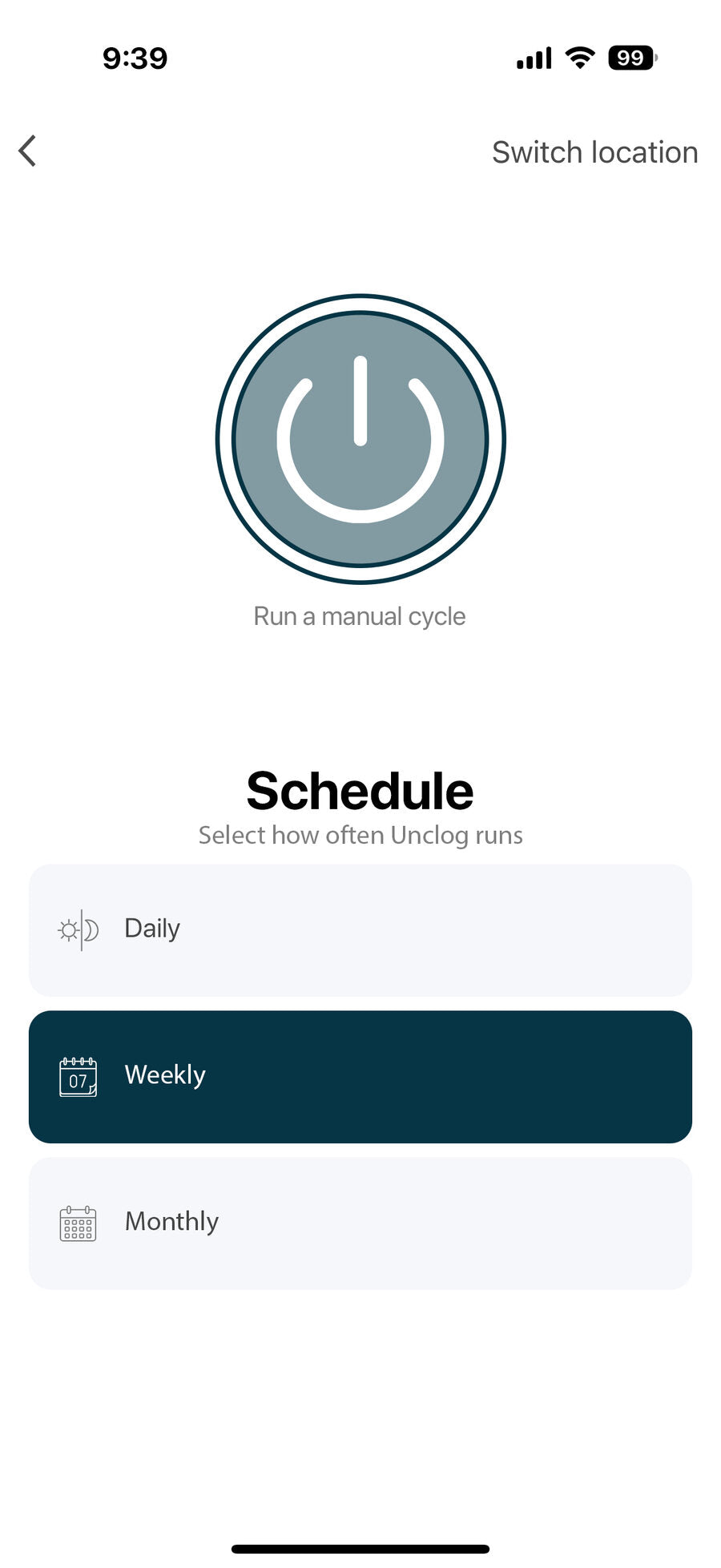
For compatible residential drain lines, Unclog can add scheduled suction cycles at the outdoor termination. The goal is to move developing buildup before the line becomes fully restricted.
Use the path that matches the number of systems you manage and the type of work you do.
Plan monthly visual checks, seasonal preparation, professional service questions, warning signs, and a simple property log.
Open the maintenance checklist →Turn drain routes, system IDs, inspection intervals, service history, and escalation rules into a repeatable property program.
Open the property-manager plan →Start with the closest match, then use the complete guide when you need the whole system explained.
Quick answer A musty smell when the A/C runs usually points to moisture lingering somewhere it should not. Common sources include a wet evaporator...
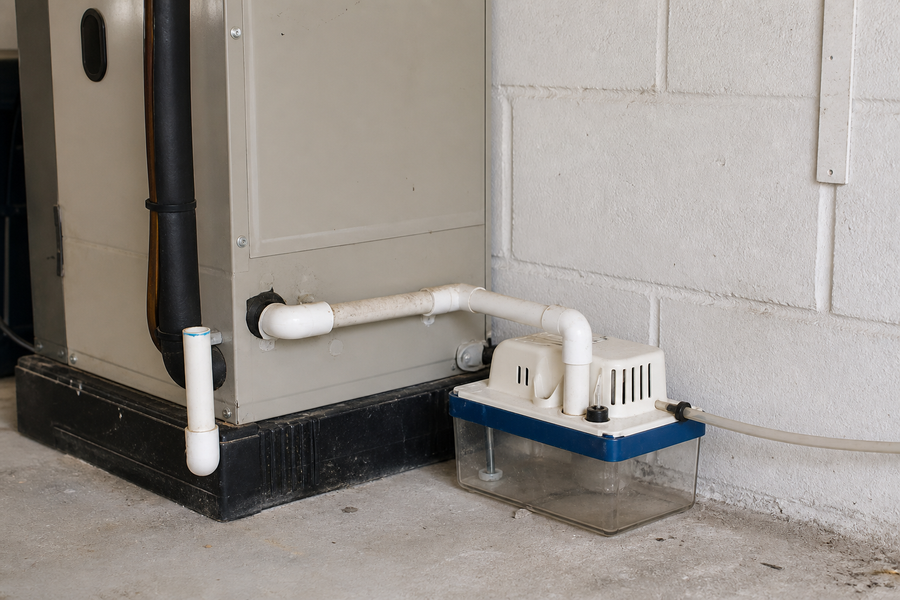
A/C condensate pump full, humming, overflowing, or silent? Learn what the symptoms mean, which checks are safe, when to stop, and how to prevent...
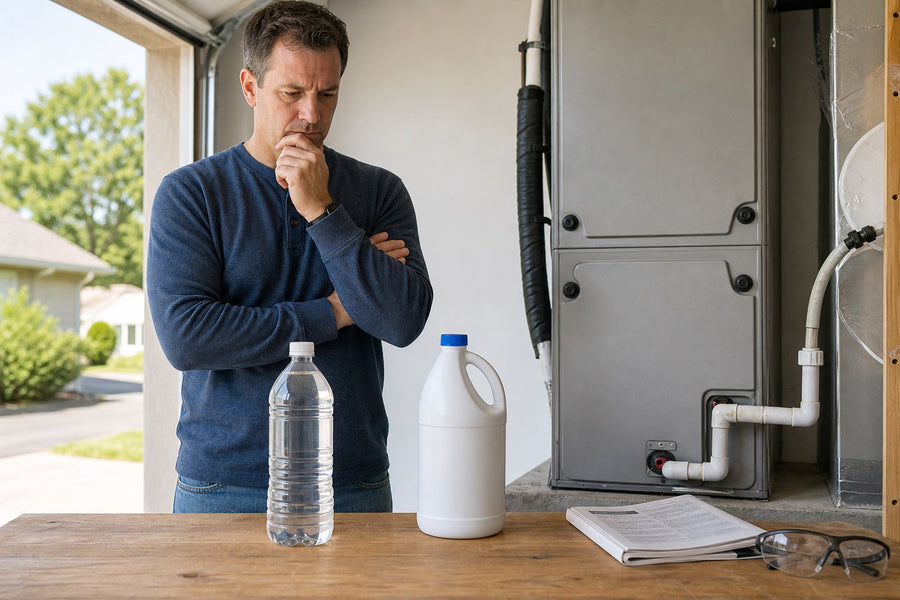
A practical, safety-first comparison of vinegar and bleach for A/C condensate drain maintenance, including what each can do, when neither should be used, and...
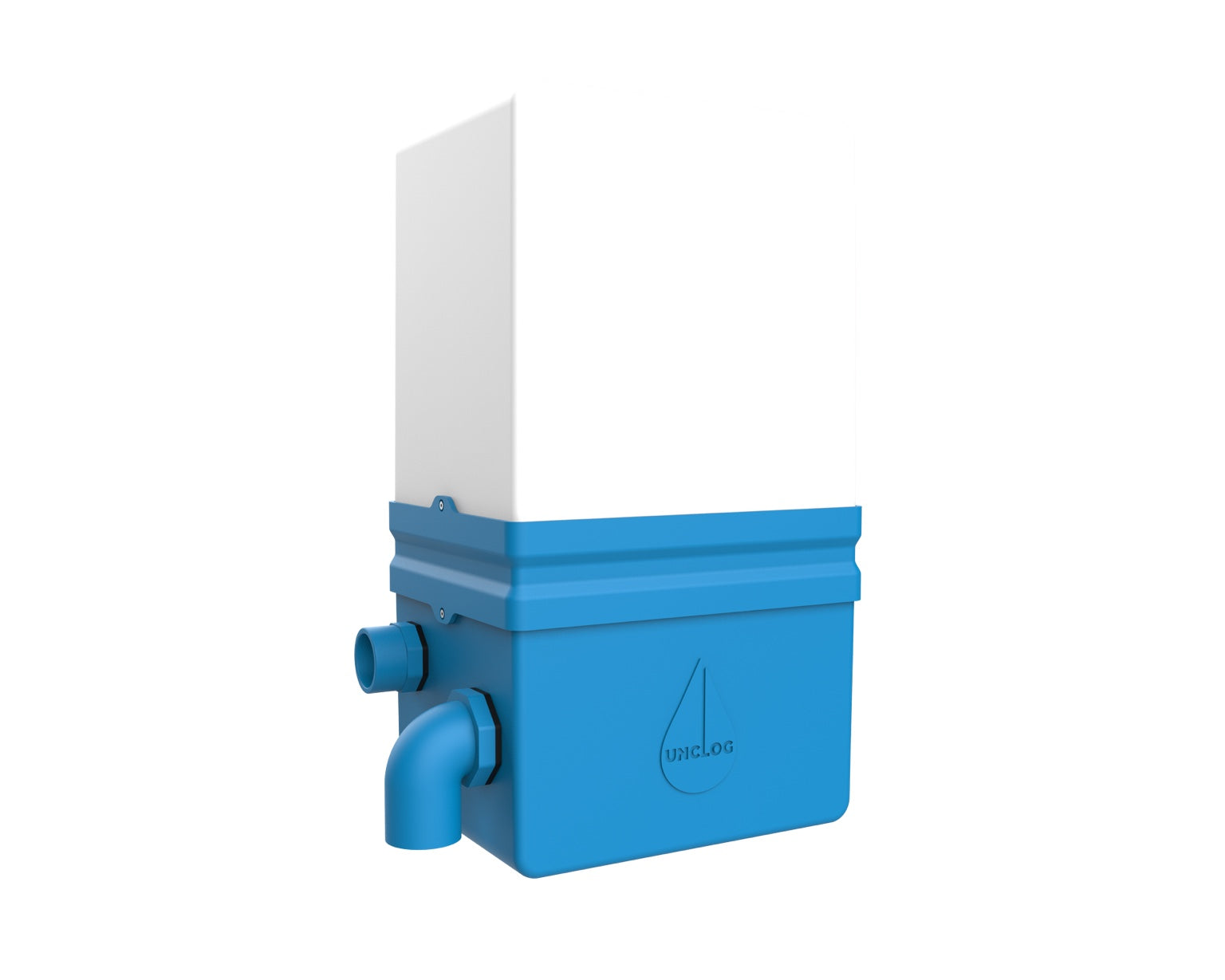
Unclog is designed for compatible residential systems that are already draining normally. Scheduled suction cycles help move developing buildup before it becomes another complete restriction.